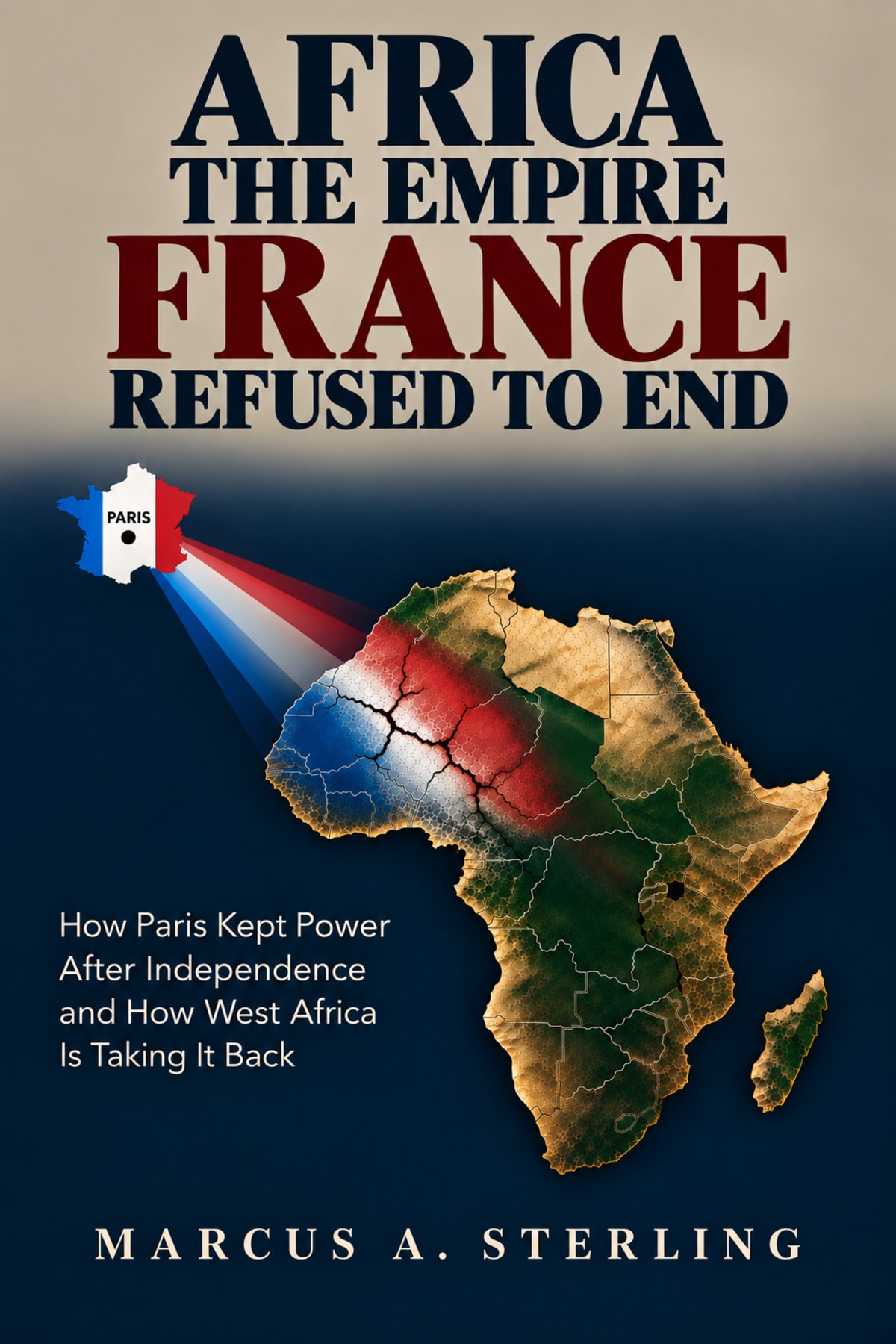
The empire France refused to end is finally ending.
For more than sixty years after independence, France maintained an unusually durable postcolonial system across much of West and Central Africa. The CFA franc preserved monetary ties. Defense agreements kept French troops in former colonies. Presidential networks—the famous pré carré—gave Paris direct access to African leaders. French companies enjoyed inherited commercial privilege. Intelligence relationships, technical assistance, and cultural influence reinforced the architecture of control.
Then the revolt began.
In the Sahel, French troops were expelled from Mali, Burkina Faso, and Niger. Military governments built a confederation—the Alliance of Sahel States—around the language of sovereignty, not French partnership. In Senegal and Côte d'Ivoire, French bases were closed through negotiated transitions. The West African monetary system was reformed. Russia entered the space France once occupied. China, Turkey, the Gulf, and the United States are all competing for influence in a region where France once enjoyed presumptive primacy.
Africa: The Empire France Refused to End traces the full arc of this transformation—from the colonial system through the architecture of postcolonial control to the revolt of sovereignty that is now reshaping West Africa and beyond.
The book examines:
- The creation and evolution of the CFA franc—and why monetary sovereignty remains contested in 2026
- French military interventions and presidential networks from Togo to Gabon, Chad to the Comoros
- Uranium, oil, ports, and the commercial networks that sustained French influence
- The collapse of French legitimacy in the Sahel—and the rise of the AES and Russian security assistance
- The negotiated withdrawals from Senegal and Côte d'Ivoire
- The new competition: China, Russia, the U.S., Turkey, and the Gulf
- Rwanda and the Great Lakes—including firsthand testimony from Operation Turquoise
- Whether France can remain influential without remaining privileged
Why this book matters now:
This is the most comprehensive analysis of France's postcolonial system in Africa written from the perspective of sovereignty—not French nostalgia or anti-French polemic. It is based on archival research, firsthand testimony, and a refusal to reduce complex history to slogans.
About the Author
Marcus A. Sterling is a writer and researcher whose work examines the intersection of power, institutions, and sovereignty in the Global South. He is the author of The Tshisekedi Shift: Dismantling Kagame's Looting Network and Forging DR Congo's Great Economic Transition (Darwin Books, 2025) and the forthcoming Africa: The Empire France Refused to End.
His work focuses on how African states are reclaiming sovereignty from external powers—whether from France's postcolonial system or from the resource extraction networks that have long dominated the Great Lakes region. He writes and publishes under Sterling Analytics Media.
Rights Information
Rights currently available:
- Simplified Chinese
- Traditional Chinese
- Russian
- Polish
- Korean
- Arabic
- Bulgarian
- Spanish
- Turkish
- Vietnamese
- Thai
All rights inquiries: contact@darwinpublications.com