Big Tech Is Competing With the Treasury for Lenders. That Changes the Debt Debate.
The United States has crossed another debt milestone: $40 trillion.
That number is large enough to dominate any conversation. It invites familiar conclusions—Washington has lost control, the dollar is living on borrowed time, and collapse must be the next stop.
But another development makes the moment more revealing. Corporate borrowing is accelerating, much of it tied to the race to finance artificial intelligence infrastructure. SIFMA reports that U.S. corporate bond issuance reached $1.681 trillion through July, 26.9% higher than a year earlier. Investors are not choosing between government debt and corporate debt in the abstract. They are deciding where trust, yield, liquidity, and opportunity meet.
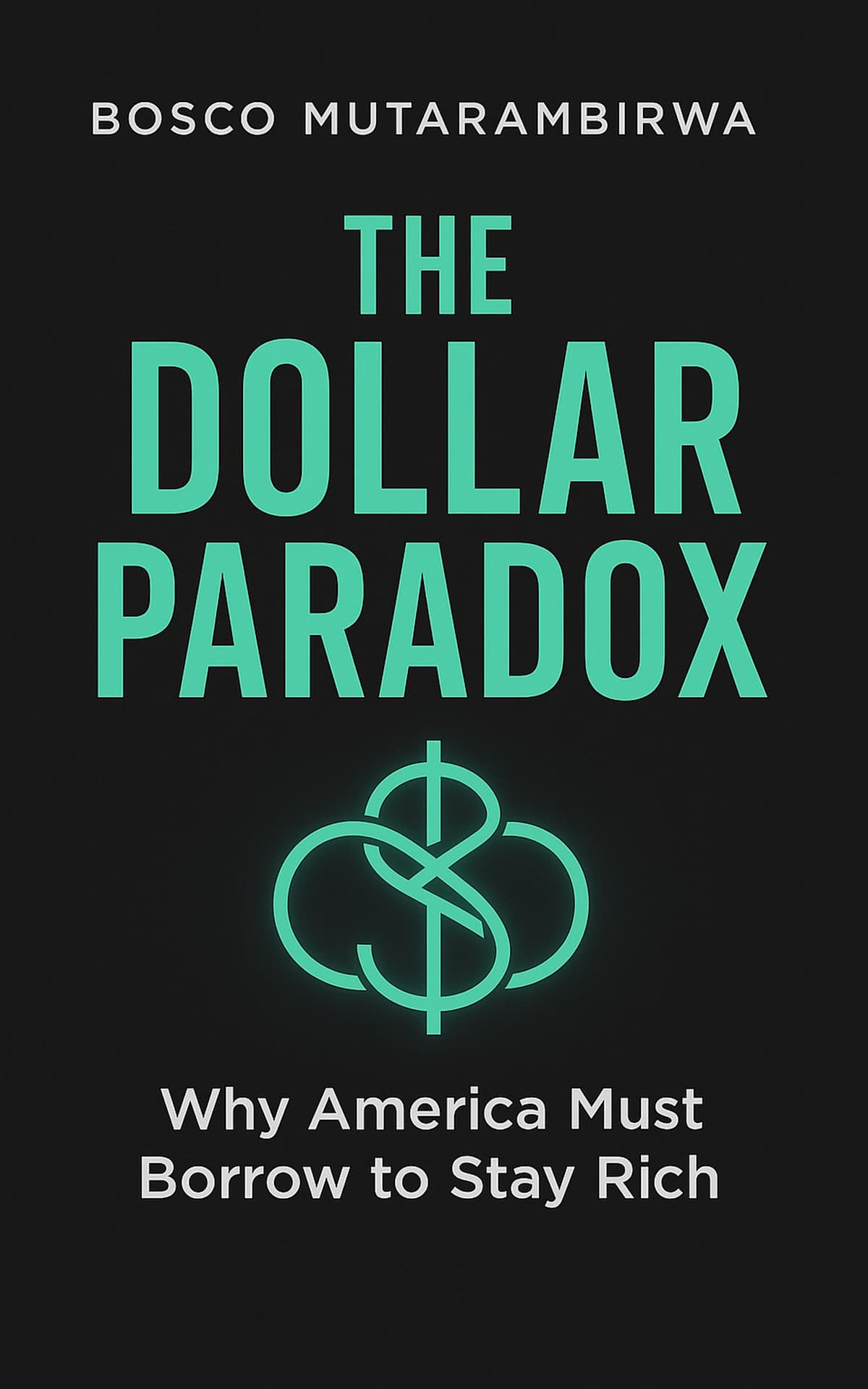
That competition gets to the heart of The Dollar Paradox.
The $40 trillion headline is only the surface
Federal debt is a genuine fiscal burden. Interest costs matter. Inflation risk matters. Political credibility matters. Pretending otherwise is not sophistication.
But treating Treasury debt like an oversized household credit-card balance is equally misleading. Treasury securities are also reserves, benchmark assets, and collateral used throughout global finance. Banks, governments, funds, and trading systems depend on a deep supply of instruments considered liquid and reliable.
That does not make debt free. It makes debt structural.
The question is not simply, “How much does America owe?” It is also, “What functions does the world expect American debt to perform?”
A buyback is not debt cancellation
On August 19, the Treasury announced that it would at least double the maximum size of certain long-end liquidity-support buybacks, from $2 billion to $4 billion per operation, beginning September 9.
The word buyback can easily be misunderstood. This is not Washington discovering a hidden surplus and retiring the national debt. Treasury states that new issuance replaces the securities purchased, so the program is not expected to meaningfully reduce privately held net marketable borrowing.
The purpose is market functioning: supporting liquidity in older, less actively traded securities and helping the enormous Treasury market operate more smoothly.
That distinction matters. The government is not escaping the debt system. It is maintaining the system’s plumbing.
When the government has to share the room
For years, the Treasury market could count on unmatched depth. Corporate issuers occupied a different scale. The AI investment boom is changing the competition at the margin. Cash-rich technology companies are raising more debt to finance data centers, chips, power, and infrastructure—and investors can demand attractive yields for lending to them.
Treasuries remain in a category of their own. Corporate bonds cannot replace the scale or sovereign functions of the Treasury market. But the competition matters because the United States no longer attracts capital in an empty room.
Every additional borrower can affect the price at which the federal government finances itself. That price eventually reaches mortgages, business investment, consumer credit, and the federal budget.
Trust is the real reserve asset
The central argument of The Dollar Paradox is not that debt is harmless. It is that dollar power depends on a difficult bargain.
The United States supplies the world with dollars and dollar-denominated safe assets. In return, it receives extraordinary financial reach. But that privilege carries a cost: interest, discipline, credible institutions, functioning markets, and enough economic growth to sustain confidence.
Debt can therefore be both burden and instrument.
That is why the correct policy choice is not blind austerity or limitless borrowing. It is preserving trust while directing national capacity toward productive growth. Austerity that weakens the economy can damage the very credibility it claims to protect. Borrowing without discipline can do the same.
The bond market is where that tension becomes visible.
Read the system, not the slogan
The $40 trillion milestone deserves scrutiny. So do Treasury buybacks, record corporate issuance, and the growing contest for investor capital. But the most useful response is not panic. It is understanding.
The Dollar Paradox: Why America Must Borrow to Stay Rich explains the relationship among federal borrowing, Treasury auctions, the Federal Reserve, global collateral, sanctions, de-dollarization, trade deficits, tariffs, and growth policy in clear language.
Explore The Dollar Paradox and choose your preferred edition.
https://darwinpublications.com/books/the-dollar-paradox?utm_source=darwinpublications&utm_medium=blog&utm_campaign=debt-market-20260825
Already read it? Leave an honest review on Amazon
https://www.amazon.com/review/review-your-purchases/?asin=B0G2SNY7YW. Reviews help serious books reach the readers looking for them.
August 25, 2026
Big Tech Is Competing With the Treasury for Lenders. That Changes the Debt Debate.